Dscpayroll payroll essentials
Pay schedules, deductions, and pay stubs—vocabulary for dscpayroll-style payroll research.
Dcsnyapoll is a reader-first library about pay schedules, deductions, onboarding habits, and the small details that keep payroll boring—in a good way. Nothing here replaces professional advice; it simply maps the terrain so you can ask better questions.
When you compare payroll software or follow your provider’s help center, treat this site as background reading—not a substitute for their documentation, your contracts, or advice from a qualified professional.
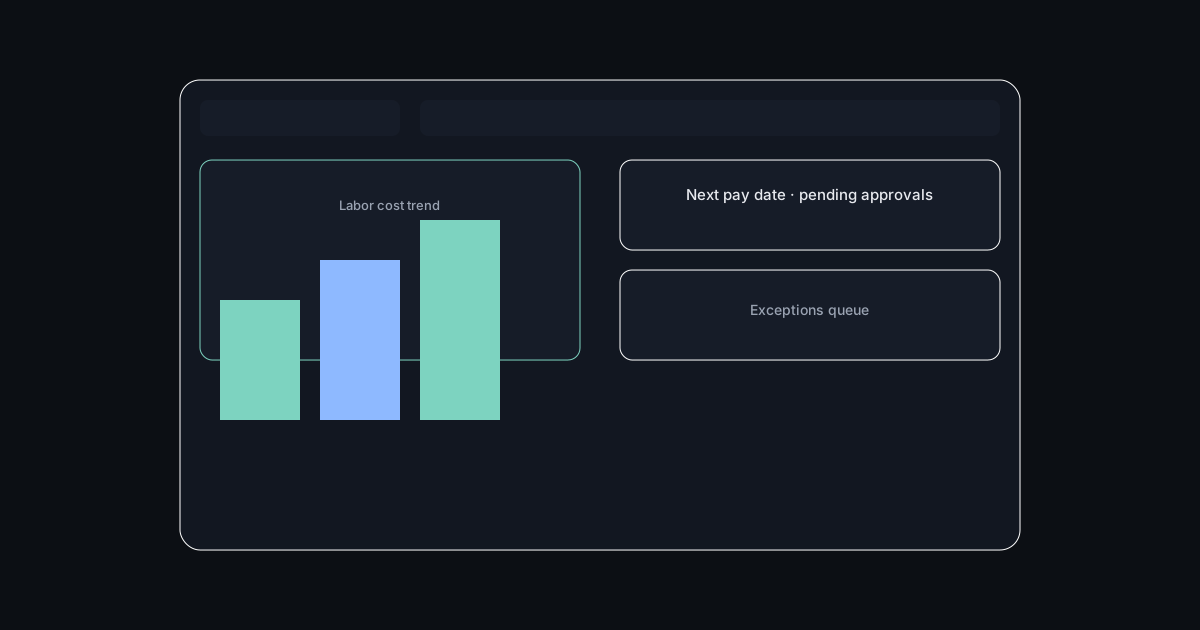
Soft visuals, dense typography, and short sections—built for scanning between meetings.
Pay schedules, deductions, and pay stubs—vocabulary for dscpayroll-style payroll research.
Onboarding and approvals when you evaluate dscpayroll or similar payroll platforms.
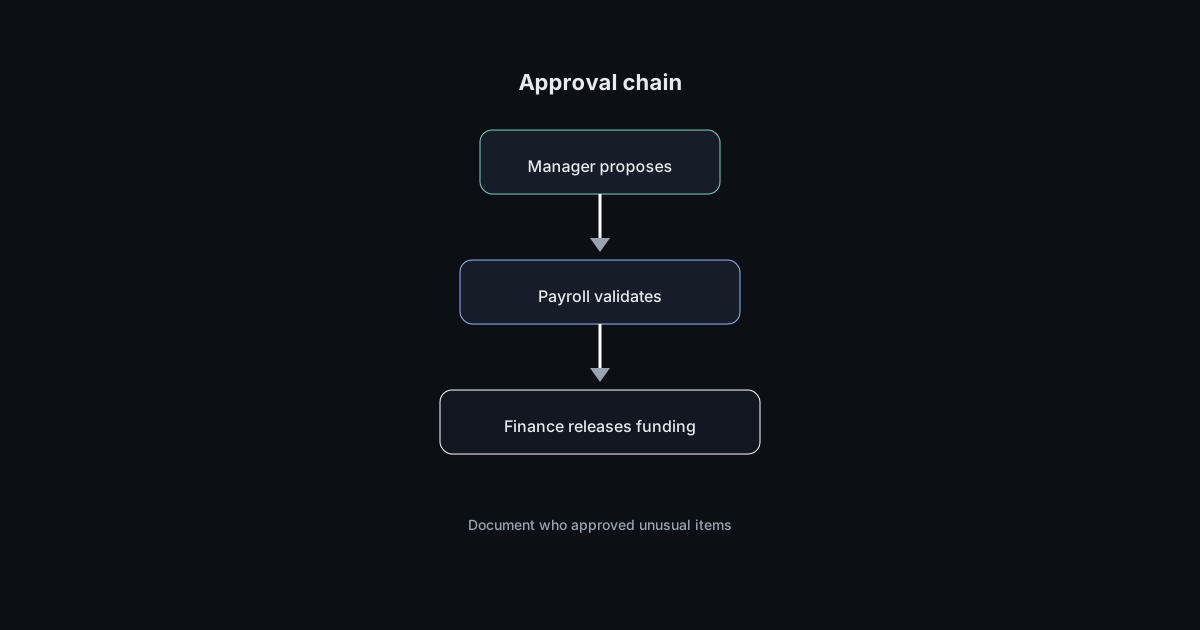
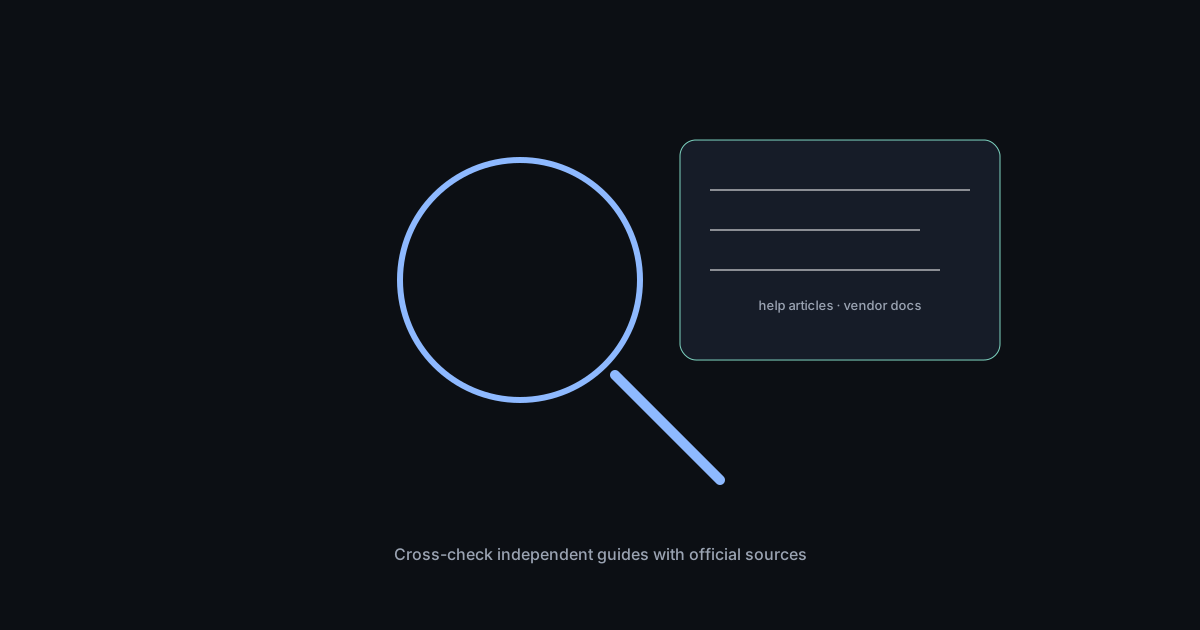
How to read articles you find when researching dscpayroll and other payroll names online.
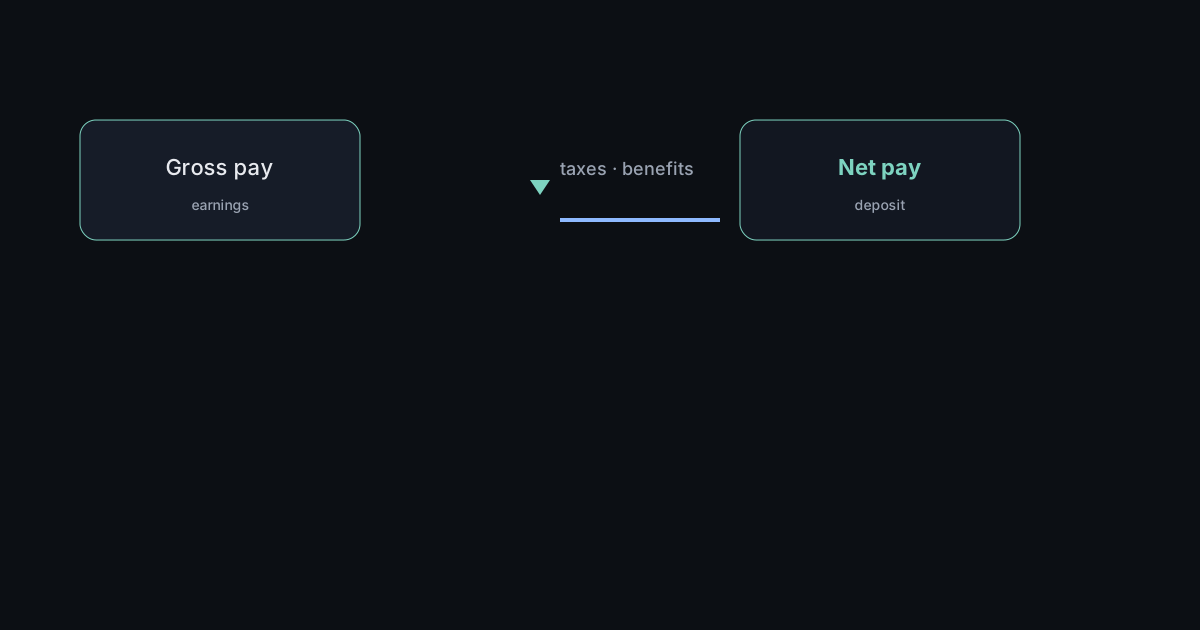
Start with plain definitions—gross, deductions, net—and build confidence before you touch tools.
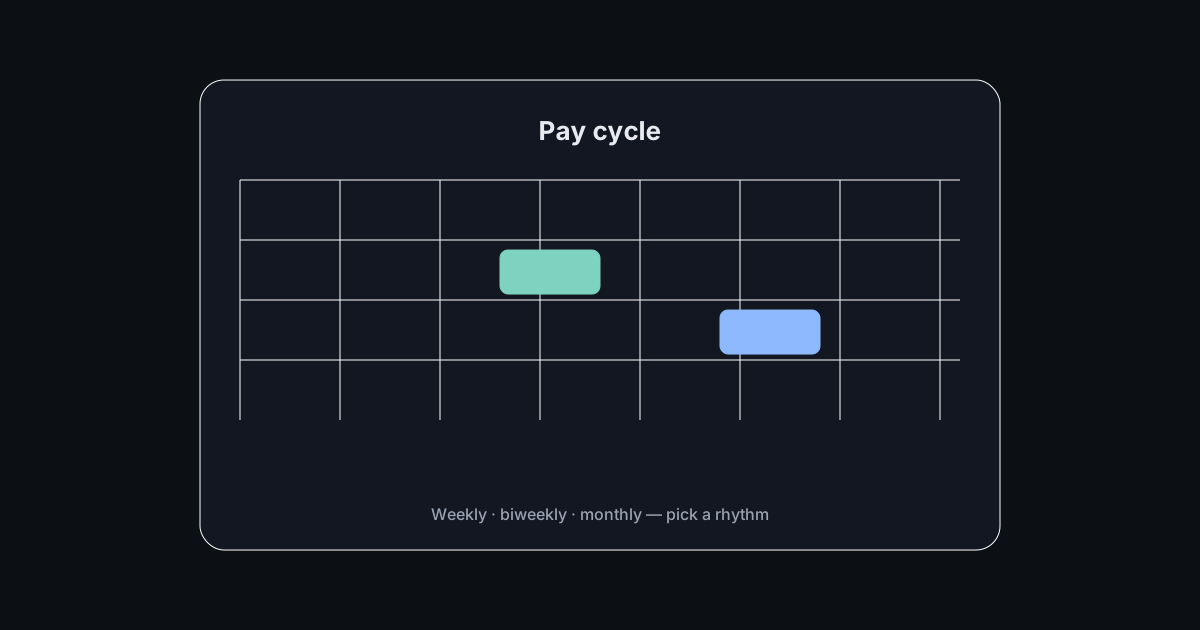
Weekly, biweekly, semimonthly, monthly—tradeoffs are mostly about cadence and clarity.
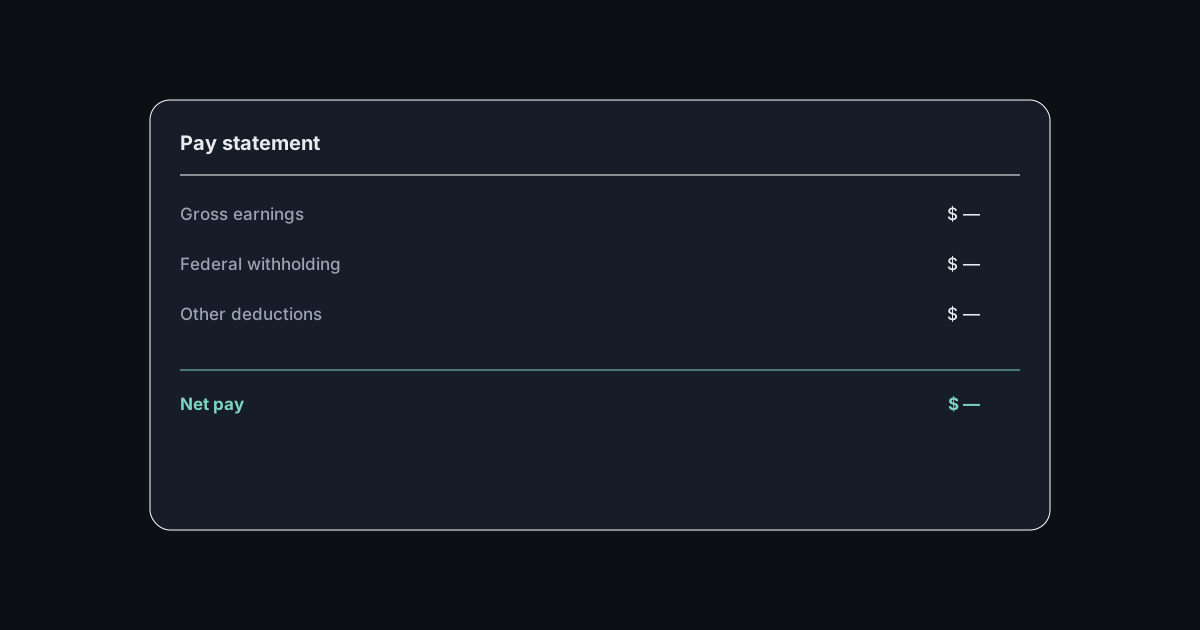
Withholding and deductions look scary until you know what each row is trying to say.
The Articles section is where we keep standalone explainers—usually a ten-minute read with a table of contents, related links, and a comparison block when it helps. New pieces arrive when we have something worth saying; there is no paywall and no account wall.
For the broader “why we publish” angle (and another FAQ), visit Information. If you want to talk shop or suggest a topic, Contact is the quickest route.
Tip: use the search field in the header to jump straight to a matching article from the full list.
Pay schedules, deductions, and net pay when you research dscpayroll and similar payroll platforms.
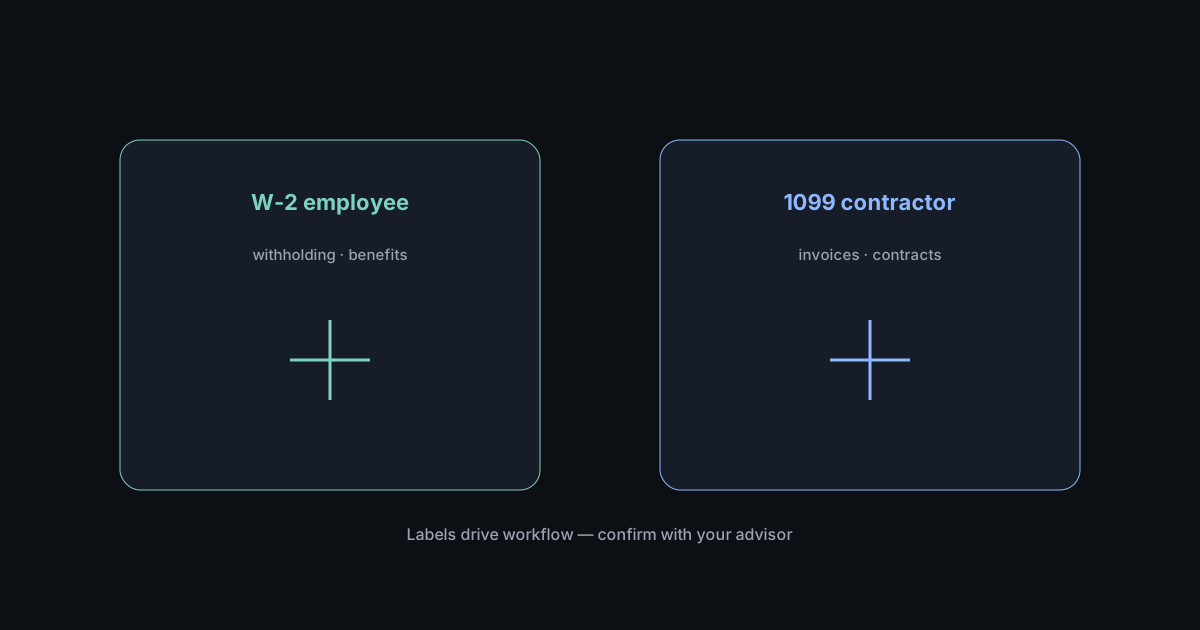
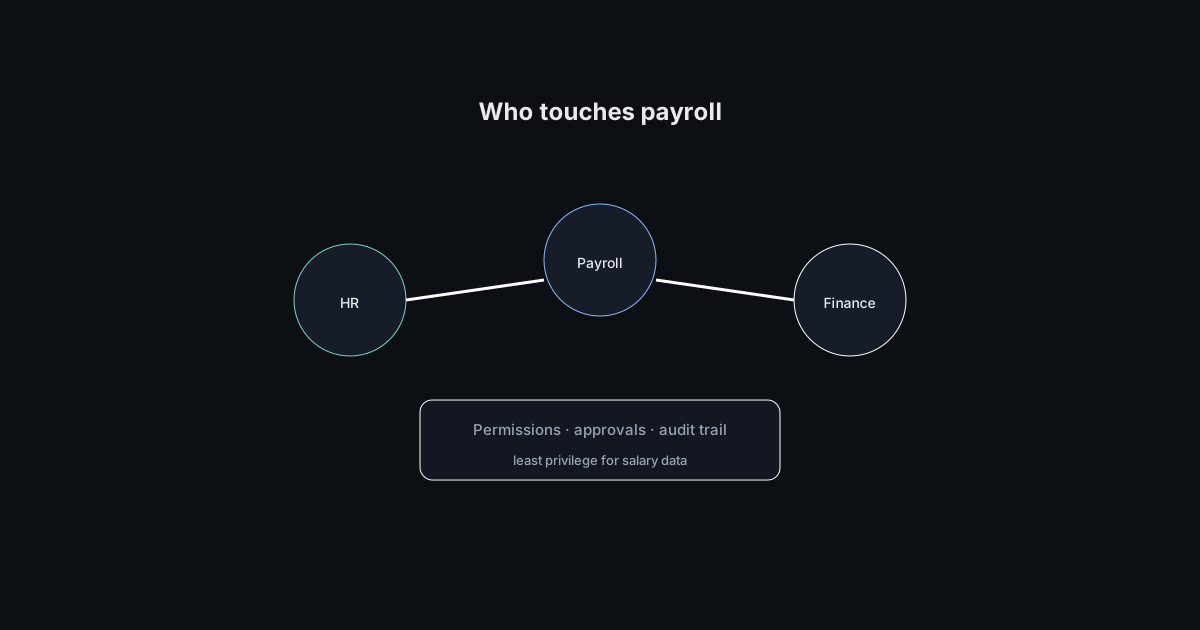
New hires, tax elections, and who approves payroll when evaluating dscpayroll-style systems.
Cross-checking dscpayroll-related reading with schedules, sources, and vendor documentation.

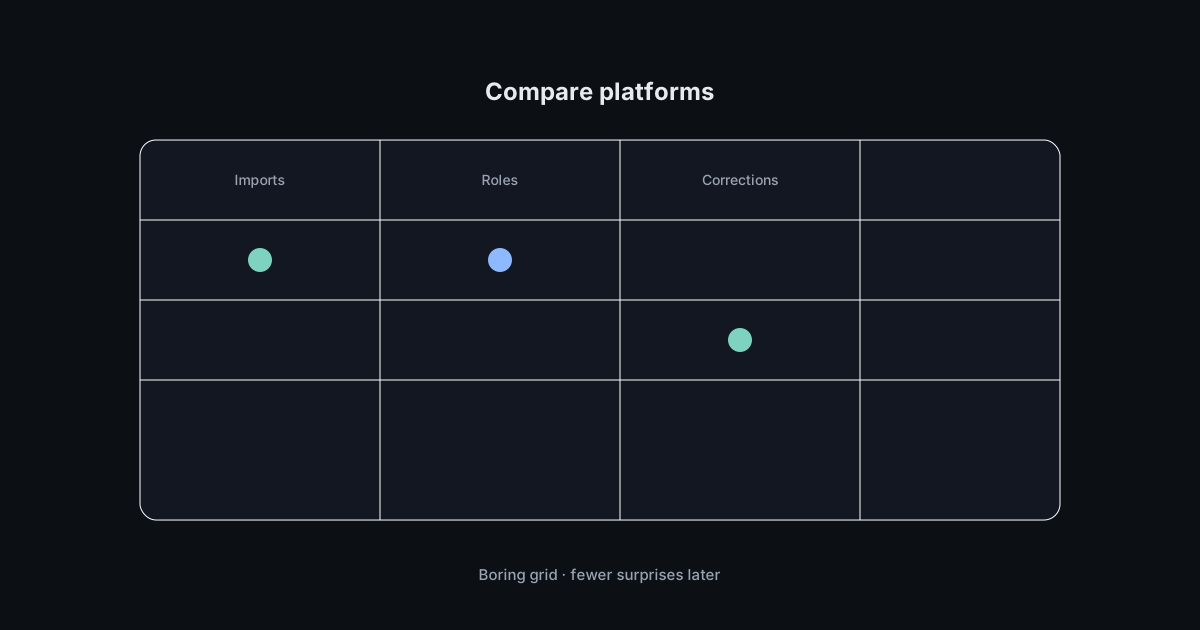
What to align on before payroll demos—schedules, roles, and correction paths.
Language first, tools second—map gross, deductions, and net pay without drowning in jargon.
Pick the cadence that matches cash flow and communication—not whichever option sounds trendy.
Turn line items into a coherent narrative so surprises become questions, not panic.

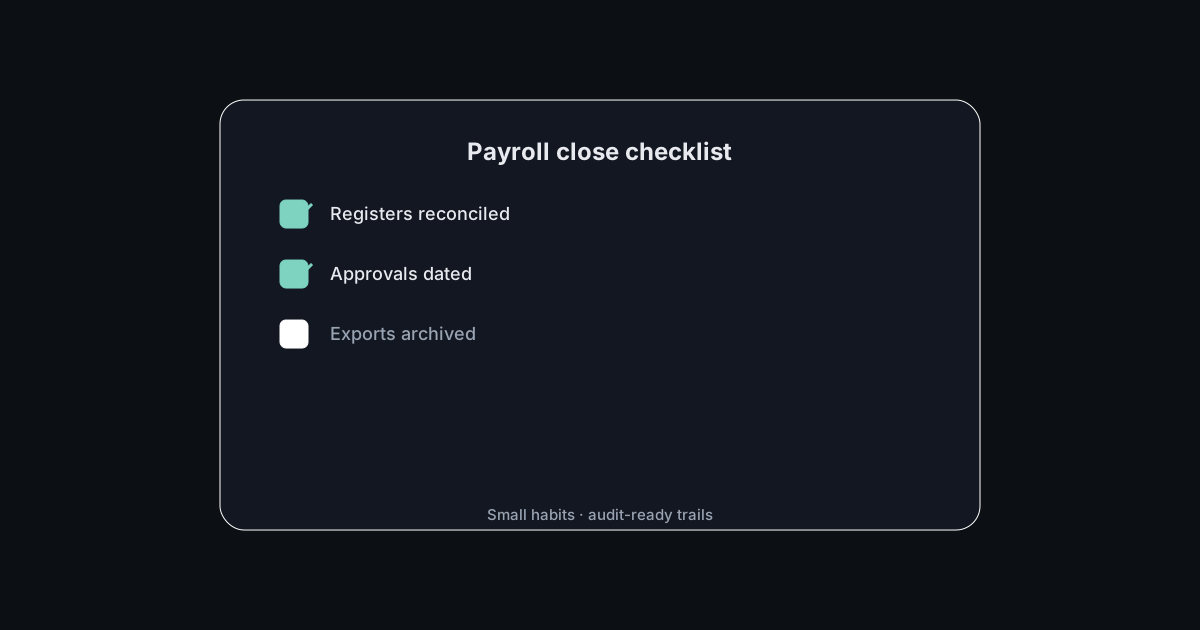
Clean onboarding prevents noisy corrections later—bank details, tax choices, role clarity.