Reality check
Your pay schedule is a promise. People budget around it, and your operations team plans around it. The “best” option is rarely the one with the shiniest marketing—it is the one you can run on time without turning finance into a fire drill. If you are comparing payroll platforms in parallel with guides like this one, keep the schedule decision separate from feature lists. A tool can be lovely and still fail you if the cadence does not match your cash flow.
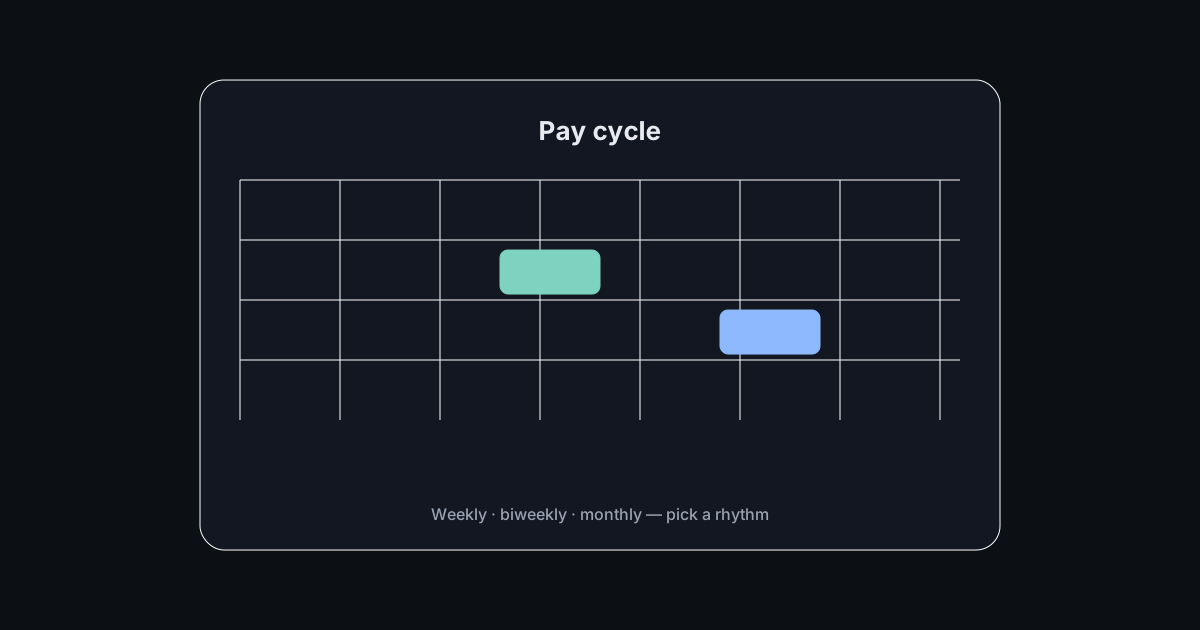
Weekly pay is frequent, which can help hourly teams, but it multiplies review cycles. Biweekly is common in the United States and lines up with many personal budgets, yet it can create “three check month” quirks for cash planning. Semimonthly (twice per month) can align with month-end accounting habits, but hours-to-pay mapping needs discipline. Monthly is the lightest on admin overhead for some orgs, but it can feel long for entry-level staff if you are not intentional about communication.
Schedule comparison
High frequency
Weekly / biweekly
More runs mean more chances to catch errors early—and more meetings with payroll cutoffs.
Lower frequency
Semimonthly / monthly
Fewer runs can calm leadership calendars if teams can handle longer gaps between pay events.
Rollout tips
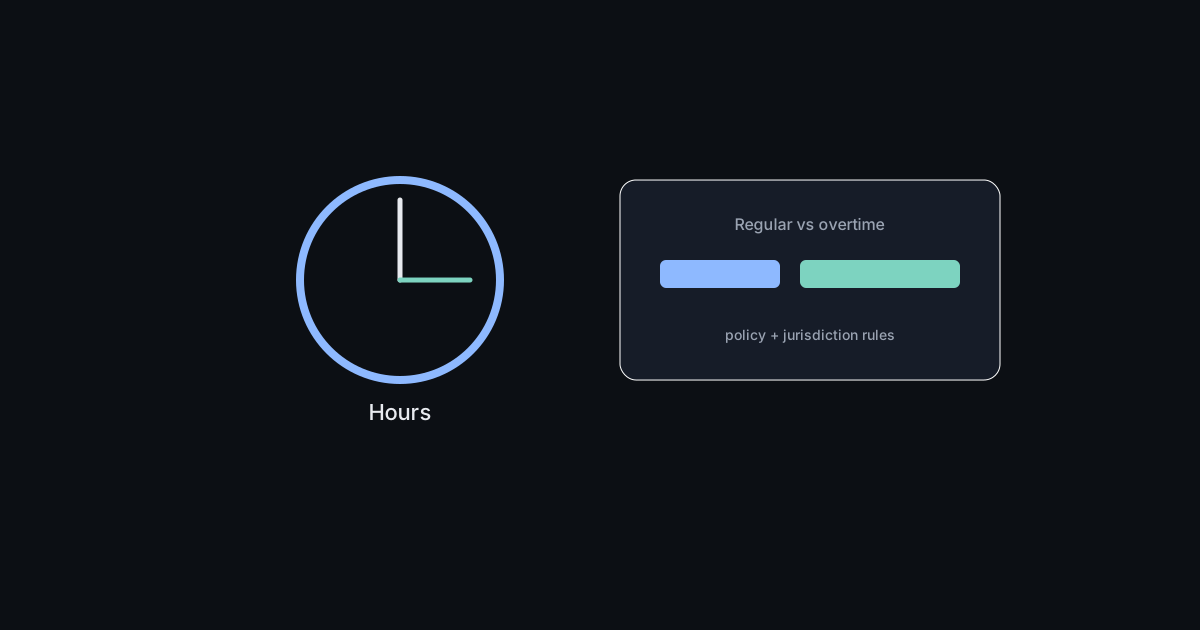
Announce changes early and explain why in plain language. Give examples using rounded numbers so people see how moving dates affects their routines. If overtime is common in your business, model how a schedule interacts with workweek definitions—this article stays general, but your rules should come from authoritative guidance for your region. Pair the rollout with a FAQ posted next to your handbook link.
Watch banking holidays like weather fronts—they shift delivery dates even when your internal steps stay identical. A tiny calendar note on your payroll checklist prevents most “where is my pay?” pings.
Closing notes
Pick the rhythm you can keep steady. Document it once, then defend it calmly when exceptions appear. Consistency builds trust faster than clever tricks—and trust is what makes payroll feel boring in the best way.
If your organization crosses multiple locations, compare schedules carefully against banking calendars and local posting rules that affect visibility of funds. When leadership floats “just pay early this once,” translate that impulse into a documented exception path so accounting and payroll stay aligned. Small narrative slips become cultural habits faster than any spreadsheet ever did.