The goal
Onboarding paperwork is not a ritual for HR enthusiasts—it is how you stop predictable fires. Every blank field that survives Day One becomes a guess later, and guesses become corrections. I treat onboarding like setting the default tempo for payroll: if you start sloppy, the whole song stays noisy. If you start crisp, even busy seasons feel manageable. Comparing how different payroll systems phrase requirements can sharpen your own checklist. Still, your list should match your jurisdiction and your company facts, not a generic blog comment.
Digital vs paper habits
Paper piles
Easy to start, harder to search later.
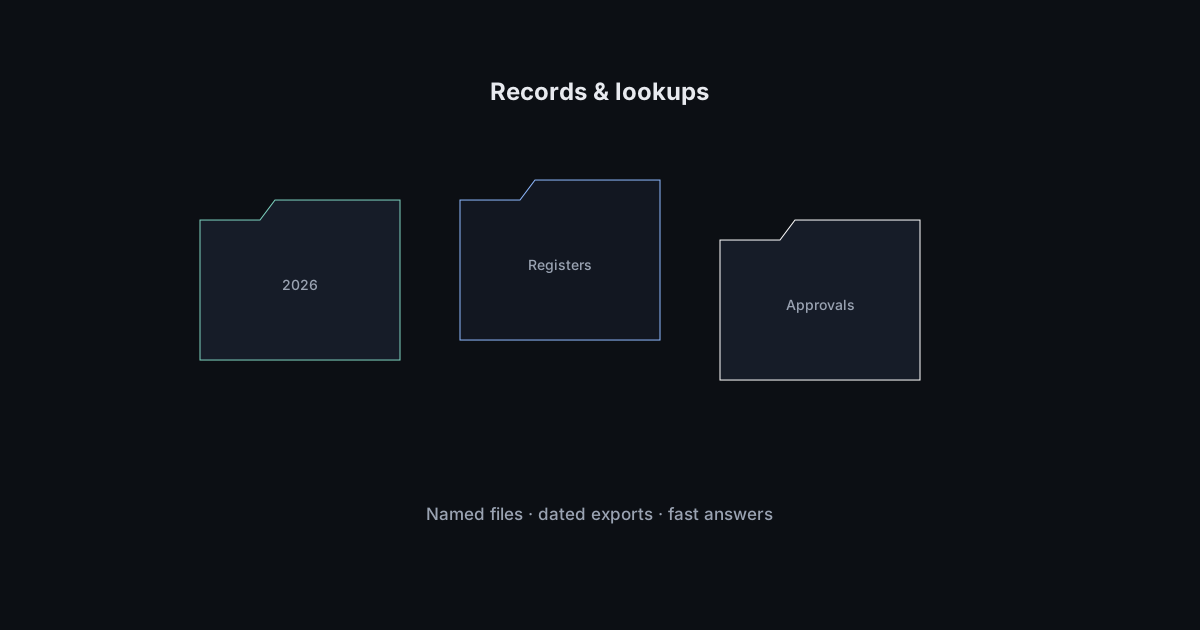
Scanning plus naming conventions saves future-you from digging through drawers.
Digital packets
Faster lookups if permissions are sane.
Pair access controls with training so private data does not sprawl.
What typically lands in payroll
Expect identity and work eligibility checks where required, tax withholding selections with effective dates, direct deposit details with verification steps, and benefit enrollments driven by eligibility rules. Role data matters too—job title may look cosmetic until overtime rules enter the chat. Keep an internal note of who approved unusual elections so questions have an owner.
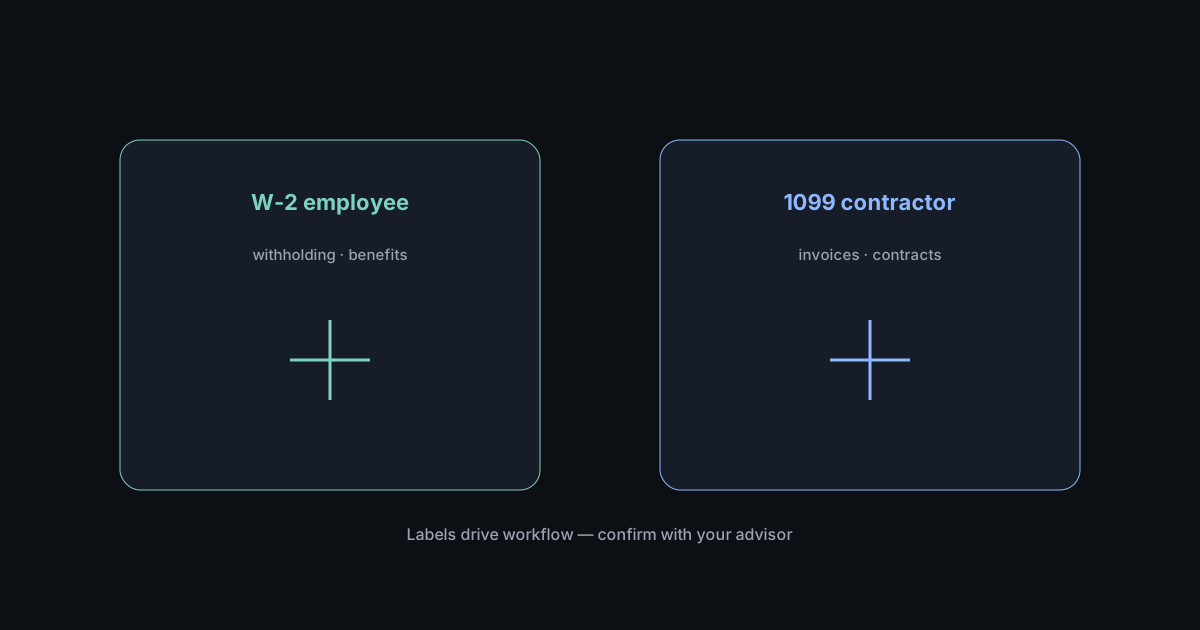
For contractors versus employees, labels change paperwork—this article will not decide your classification; it simply reminds you that payroll routing follows the label your qualified advisors support.
Tone with new hires
Explain why each request exists. People comply faster when they see respect for their time. Close the loop: confirm receipt, confirm effective dates, and share where they can self-serve updates later. Boring onboarding is a compliment—it means everything arrived clean enough to run quietly.