Plain talk
Words matter because workflows follow them. “Contractor” and “employee” are not personality descriptions—they are routing labels that decide which forms show up, which taxes might apply, and how quickly payments must move. This article is not legal advice. It will not classify anyone’s role for you. Treat it like coffee-shop clarity: enough orientation to call the right expert with smarter questions. If you are comparing how payroll products handle contractor payments, keep those product guides separate from the legal standard that applies to your relationship.
Different rails
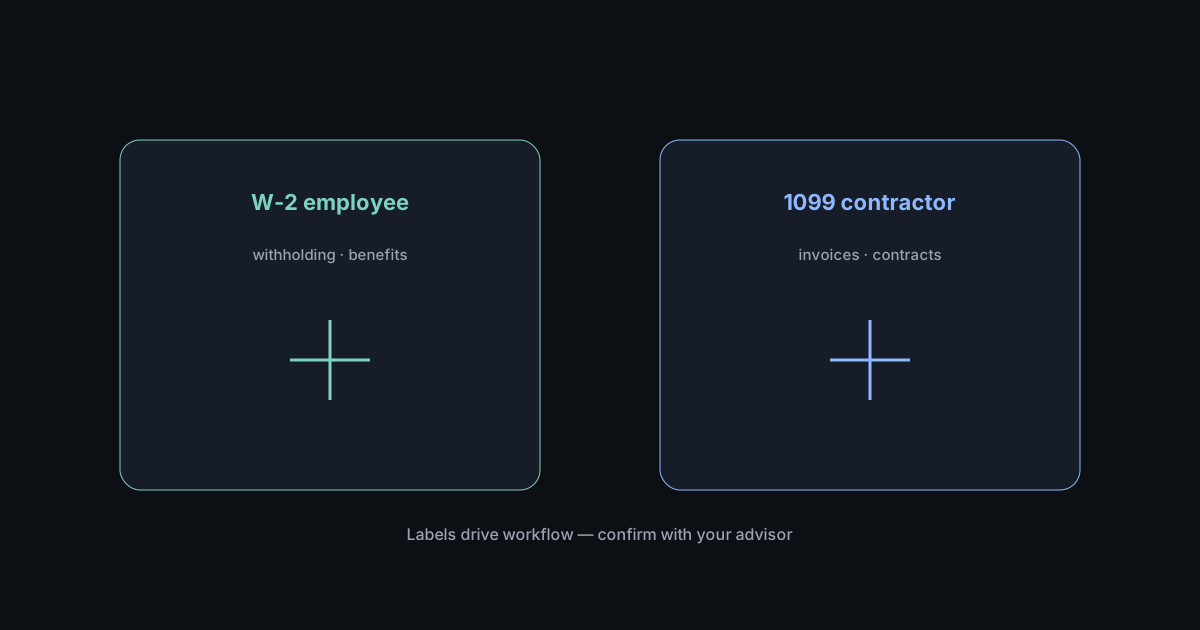
Employee rail
Withholding, benefits, schedules tied to policy.
More administrative surface area—and often closer alignment with daily supervision.
Contractor rail
Invoices, statements, contract scope.
Less day-to-day payroll overhead when the relationship truly fits that model.
Process beats slogans
Mislabels hurt twice: teammates feel whiplash, and finance spends weekends unwinding history. If you are unsure, pause hiring velocity long enough to get a written opinion from someone qualified. Cheap speed is expensive later.
Document who approved the label, who documented scope, and where contracts live. Future-you will not remember hallway promises—files remember.
What to do next
Align recruiting language with operations reality. Train managers on early signals—extra direction can blur boundaries even when nobody meant harm. Keep payroll, HR, and leadership on the same vocabulary sheet. Calm words prevent chaos better than bold italics in an email nobody reads.